Weight Loss Calculator

Weight Loss Calculator: A Useful Tool for Achieving Health Goals

Concerns about health and physical fitness have been a priority for many people around the world. Weight loss is often an essential component of achieving and maintaining a healthy lifestyle. In this context, the weight loss calculator has become a valuable and accessible tool for individuals aiming to reach their health goals in a sustainable and safe manner.

This article explores the importance and benefits of the weight loss calculator, highlighting how it can be an effective ally in the journey towards a healthy weight.

What is a Weight Loss Calculator?

A weight loss calculator is an online tool that utilizes a mathematical formula based on data about height, current weight, age, gender, and level of physical activity to estimate the amount of calories a person should consume daily to achieve their weight loss goals. Additionally, many calculators provide guidance on the amount of physical exercise needed to achieve these goals.

How Does a Weight Loss Calculator Work?

The basic functioning of a weight loss calculator involves determining the individual’s body mass index (BMI) based on their height and weight. Then, the calculator uses the BMI to calculate the basal metabolic rate (BMR), which represents the minimum amount of calories the body needs to maintain vital functions at rest. From there, the calculator takes into account the individual’s level of physical activity to provide an estimate of the daily calories needed to achieve the desired weight loss.

Benefits of Using a Weight Loss Calculator

  1. Customization and Precision:
    • Weight loss calculators take into account individual factors such as height, weight, age, and level of physical activity, providing more accurate and personalized estimates.
  2. Setting Realistic Goals:
    • Based on the provided data, the calculator can help set realistic and achievable weight loss goals, avoiding unrealistic expectations.
  3. Efficient Calorie Management:
    • By calculating the necessary calorie intake, individuals can plan their diets more effectively, ensuring they are in a healthy caloric deficit for weight loss.
  4. Tracking Progress:
    • A weight loss calculator can be used to monitor progress over time, allowing for adjustments as needed to stay on track towards the goals.
  5. Encouragement and Motivation:
    • Checking weight loss results over time can be a powerful source of motivation to continue with the efforts.

Final Considerations

A weight loss calculator is a valuable and practical tool for those seeking a data-based and personalized approach to achieving health and weight loss goals. However, it is important to remember that while calculators can provide useful estimates, guidance from qualified healthcare professionals remains essential to ensure that chosen methods are safe and suitable for each individual.

Ultimately, a weight loss calculator can be a powerful ally in your journey towards a healthier lifestyle, providing solid and realistic guidance to achieve your health and well-being goals.
Vitamins for Weight Loss: A Comprehensive Guide

In the pursuit of a healthy and balanced lifestyle, weight management plays a crucial role. While a well-rounded diet and regular exercise are fundamental, the role of vitamins in this process should not be underestimated. Vitamins are essential nutrients that support various bodily functions, including metabolism and energy production.

This article aims to explore the vitamins that play a significant role in weight loss and how they contribute to a healthier body.

Vitamin B Complex

The B-complex vitamins, including B1 (thiamine), B2 (riboflavin), B3 (niacin), B5 (pantothenic acid), B6 (pyridoxine), B7 (biotin), B9 (folate), and B12 (cobalamin), are critical for energy metabolism. They help convert food into energy that the body can use.

  1. B3 (Niacin): It aids in the breakdown of carbohydrates, fats, and proteins, providing energy for the body. It also helps maintain healthy skin, nerves, and digestive system.
  2. B6 (Pyridoxine): Essential for metabolizing amino acids and glycogen, B6 supports a healthy metabolism and can assist in weight management.
  3. B12 (Cobalamin): This vitamin helps in the formation of red blood cells, which transport oxygen to body tissues. A deficiency can lead to fatigue and weakness, making it harder to engage in physical activity.

Vitamin C

Vitamin C is a potent antioxidant that supports the immune system and aids in the absorption of iron. While it’s not directly linked to weight loss, it can indirectly contribute by keeping the body healthy and functioning optimally.

Vitamin D

Often referred to as the “sunshine vitamin,” vitamin D is crucial for calcium absorption and bone health. Recent studies suggest a correlation between vitamin D levels and weight management. Low levels of vitamin D have been associated with increased body fat and obesity.

Vitamin E

As an antioxidant, vitamin E protects cells from damage caused by free radicals. While it doesn’t directly impact weight loss, it plays a role in overall health and well-being, which is essential for maintaining an active lifestyle.

Vitamin K

Vitamin K is essential for blood clotting and bone metabolism. While it doesn’t directly contribute to weight loss, it supports overall health and well-being.

Key Takeaways

  1. A Balanced Diet is Essential: While vitamins play a crucial role, they should be part of a well-rounded diet rich in fruits, vegetables, lean proteins, and whole grains.
  2. Consult a Healthcare Professional: Before starting any new vitamin or supplement regimen, it’s crucial to consult with a healthcare provider. They can provide personalized recommendations based on individual health needs.
  3. Exercise Regularly: Vitamins work in conjunction with regular exercise and a balanced diet. Physical activity is a cornerstone of any successful weight loss journey.
  4. Avoid Over-reliance on Supplements: While supplements can be beneficial, they should not replace a healthy diet. Whole foods provide a wide array of nutrients that are essential for overall health.

Conclusion

While vitamins are not a magic solution for weight loss, they play a crucial role in supporting overall health and metabolism. A balanced diet rich in essential nutrients combined with regular exercise is the foundation for successful weight management.

Consulting with a healthcare professional before making any significant changes to your diet or supplement regimen is always recommended. Remember, sustainable weight loss is a gradual process that requires commitment and a holistic approach to health and well-being.

32 Foods that Burn Belly Fat Fast

The struggle against abdominal fat is a common concern for many people. Besides affecting physical appearance, abdominal fat is also related to health issues such as type 2 diabetes and cardiovascular diseases. Fortunately, nature provides us with a variety of foods that can help burn this stubborn fat effectively and healthily.

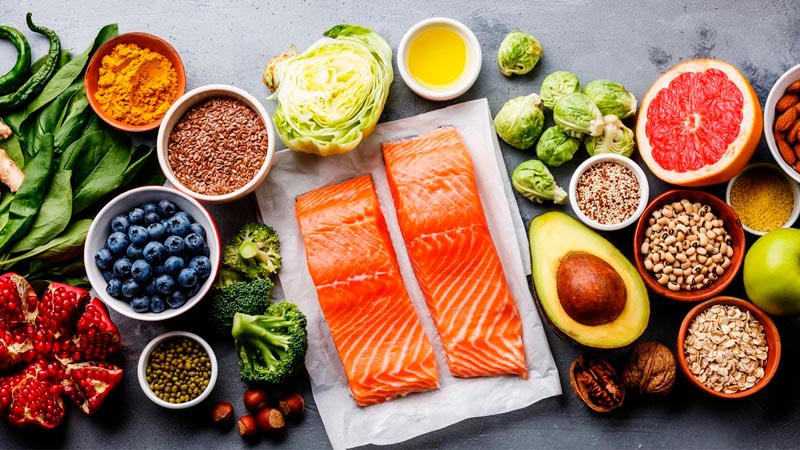
In this article, we will explore 32 foods that can be incorporated into your diet to help reduce abdominal fat quickly.

32 Foods that Burn Belly Fat Fast:

  1. Avocado: This superfood is rich in healthy fats, which help control appetite and maintain healthy blood sugar levels.
  2. Apples: Apples are rich in fiber and antioxidants that promote satiety and help control hunger.
  3. Cayenne Pepper: This spice speeds up metabolism, increasing calorie burning.
  4. Eggs: They are an excellent source of protein, which aids in muscle building and calorie burning.
  5. Green Tea: Rich in catechins, green tea boosts fat oxidation and improves metabolism.
  6. Nuts: They provide healthy fats and proteins that keep you satisfied for longer.
  7. Salmon: It contains omega-3 fatty acids that reduce inflammation and assist in fat burning.
  8. Greek Yogurt: Rich in protein and probiotics that promote gut health.
  9. Kale: It’s a low-calorie leafy green vegetable rich in fiber that aids in digestion and reduces hunger.
  10. Celery: It has low caloric content and is full of fiber, making it a great snack.
  11. Blueberries: They contain antioxidants that combat inflammation and aid in weight loss.
  12. Quinoa: It’s an excellent source of plant-based protein and fiber that keeps you satiated.
  13. Pears: Rich in fiber and antioxidants, pears can help control appetite.
  14. Broccoli: Low in calories and rich in nutrients, broccoli is great for weight loss.
  15. Chia Seeds: They are loaded with fiber and help maintain satiety.
  16. Sweet Potato: It contains fiber and complex carbohydrates that help control blood sugar levels.
  17. Bell Peppers: They contain capsaicin, which can increase fat burning.
  18. Black Beans: Rich in fiber and protein, black beans help control appetite.
  19. Pineapple: It contains bromelain, an enzyme that aids in digestion.
  20. Olive Oil: Healthy fats in olive oil help control appetite.
  21. Garlic: It has properties that may help reduce abdominal fat.
  22. Spinach: Rich in fiber and nutrients, spinach is great for weight loss.
  23. Tomatoes: They contain antioxidants that combat inflammation and aid in fat burning.
  24. Cinnamon: It can help regulate blood sugar levels and control appetite.
  25. Carrots: Low in calories and rich in fiber, carrots are great for snacking.
  26. Kiwi: Rich in vitamin C, kiwi aids in digestion and fat burning.
  27. Artichokes: They have properties that may help reduce body fat.
  28. Lentils: They are rich in fiber and protein, which help control appetite.
  29. Ginger: It can speed up metabolism and promote calorie burning.
  30. Almonds: Provide protein and healthy fats that keep you satiated.
  31. Apple Cider Vinegar: It may help control appetite and improve digestion.

While these foods can be beneficial in the pursuit of a leaner belly, it’s important to remember that a balanced diet and regular exercise are crucial for achieving effective and lasting results.

Consulting a healthcare professional or nutritionist is always a good idea before making significant changes to your diet.